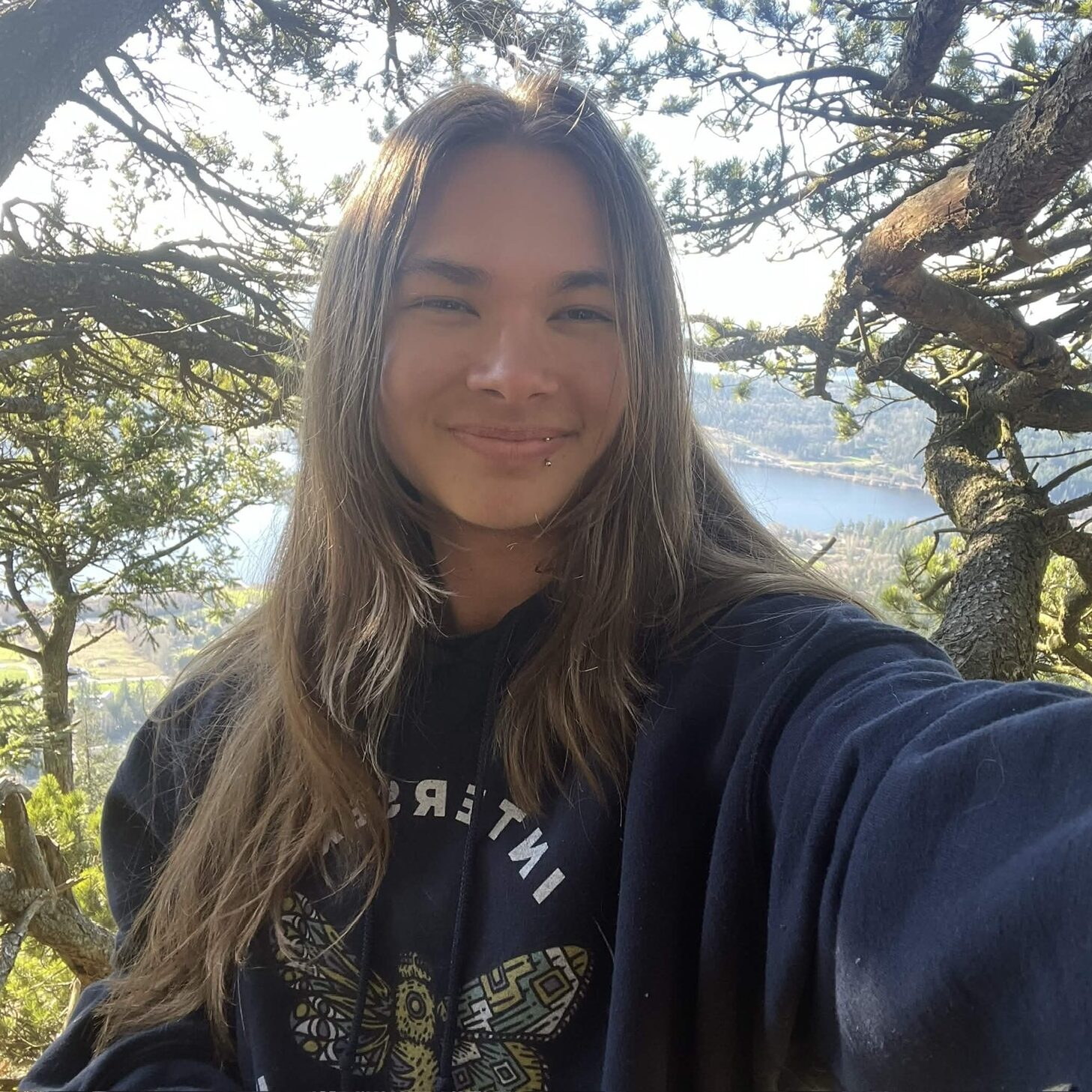

Youth Advocate Tanis has always loved to read. When he never saw a body like his in any stack of books, he set out to discover why.
My body is a story written in multiple languages, but I was only taught how to read one of them.
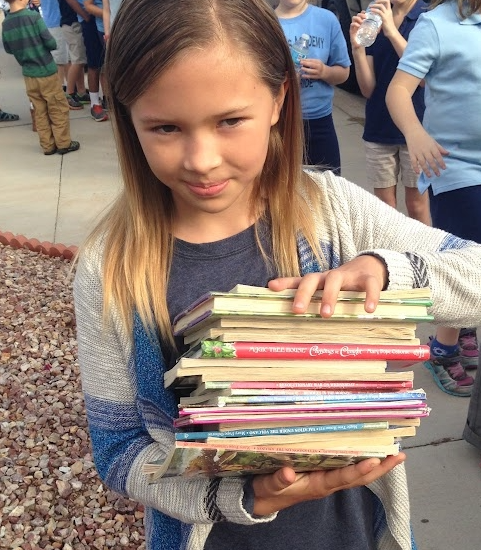
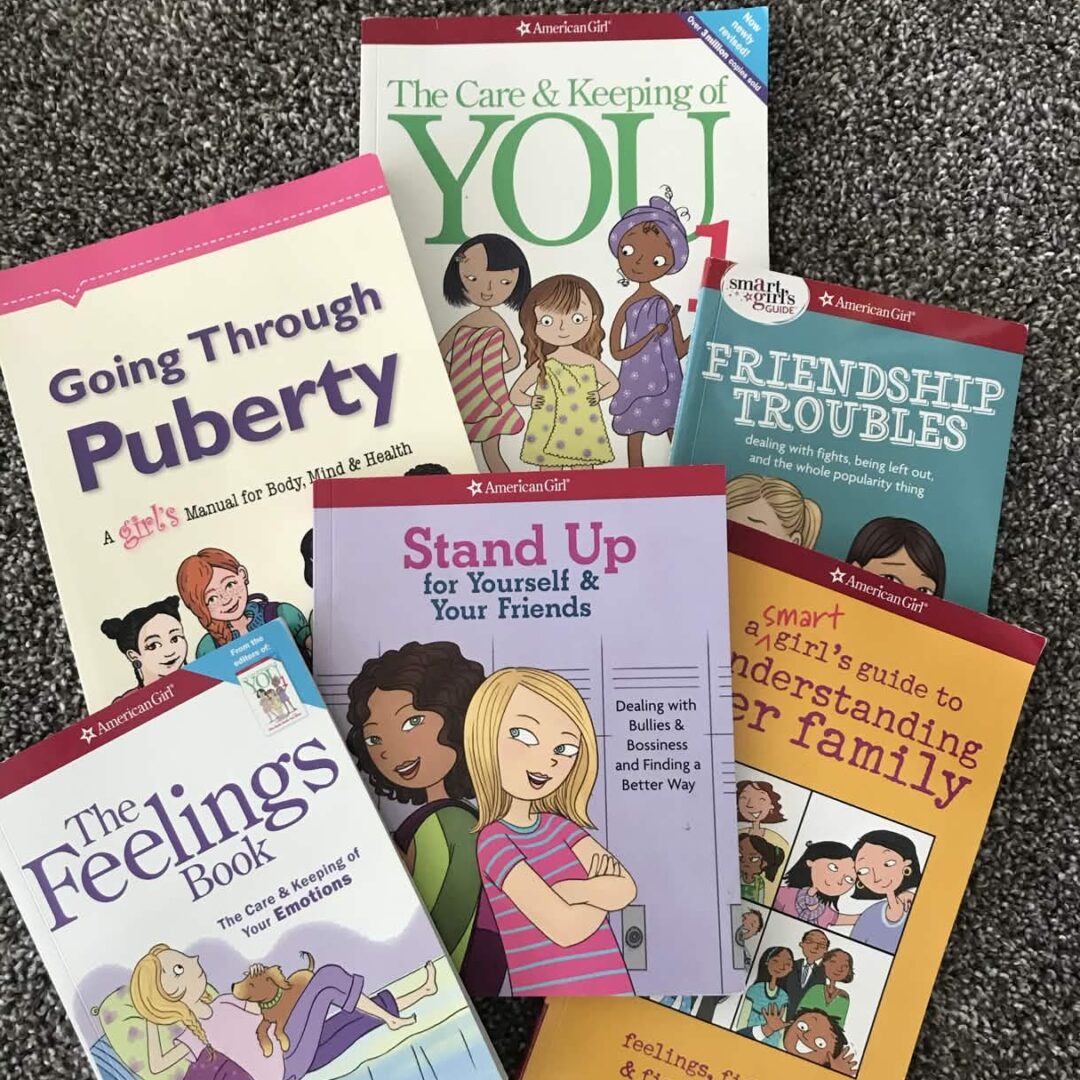
I have always been a voracious reader. I love biology and anatomy, and as a kid, I was obsessed with reading The Care and Keeping of You (the #1 body book for girls). I figured that I knew everything there was to know about bodies by the fifteenth reread, without realizing that what I was reading on the pages seemed like events that happened to other people, not to me.
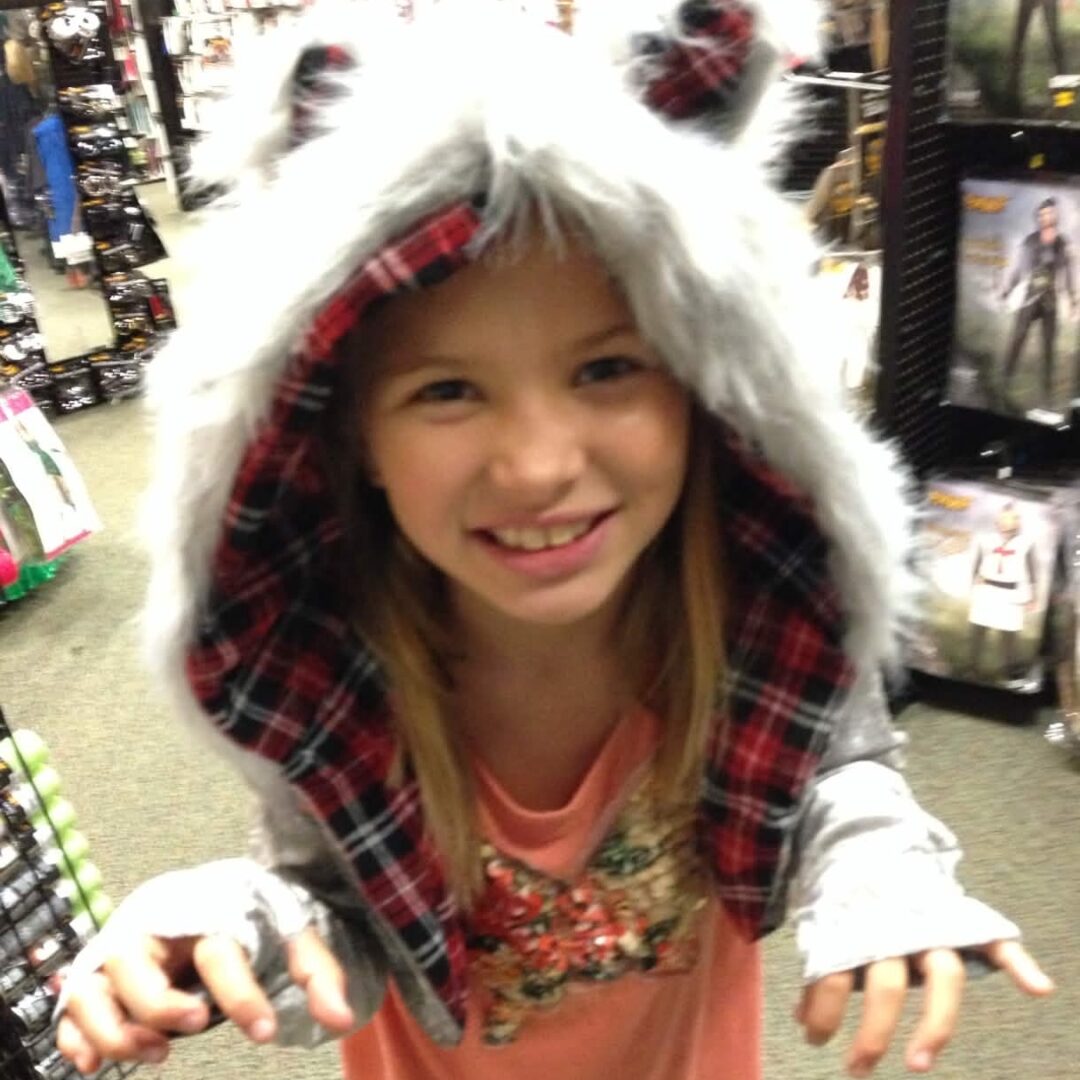
I loved exploring outdoors and creating complex fantasy worlds with my friends. I often thought of myself as my wolf or dragon characters (sometimes I was a hybrid of the two that I called a “drage”). So when I began to experience aspects of puberty at 9 years old, I was suddenly aware that I had a body, and my body was changing.
My body wasn’t in any books
I had to learn a new language that I’d never read in my books. It included uncomfortable pads, stained clothes, and a fear of tampons that I was never able to use. I couldn’t get them to go “in”, and in fact, I couldn’t find that hole at all. I started wearing sports bras and never stopped.
After giving up on tampons, I continued living my life without wanting or needing to learn the language of my body any further. I menstruated inconsistently enough that I often forgot it was something that my body did. I had no desire to figure out the mystery of my hidden vagina or tell anybody about it. After all, the body book didn’t even mention it!
My puberty seemed to struggle along after that, a wave of activity (including a big growth spurt!) before slowing to a trickle. As I breezed past this unexplained end to my puberty, I added a new word to my vocabulary. Transgender.
Life outside gendered expectations
At 10 years old, I found the words to tell my mom, “I think I’m a boy.” What I didn’t have were the words to articulate how my experience of masculinity wasn’t quite the same as the one gender specialists were expecting. I loved my long hair, and I didn’t mind it when people still called me a girl or used a mix of she/her and he/him pronouns. I was comfortable with my body; what I wasn’t comfortable with was the way people interpreted it, as if the only way to be masculine was through an absence of femininity. My original diagnosis was “gender identity disorder of adolescence”.
I was comfortable with my body; what I wasn’t comfortable with was the way people interpreted it.
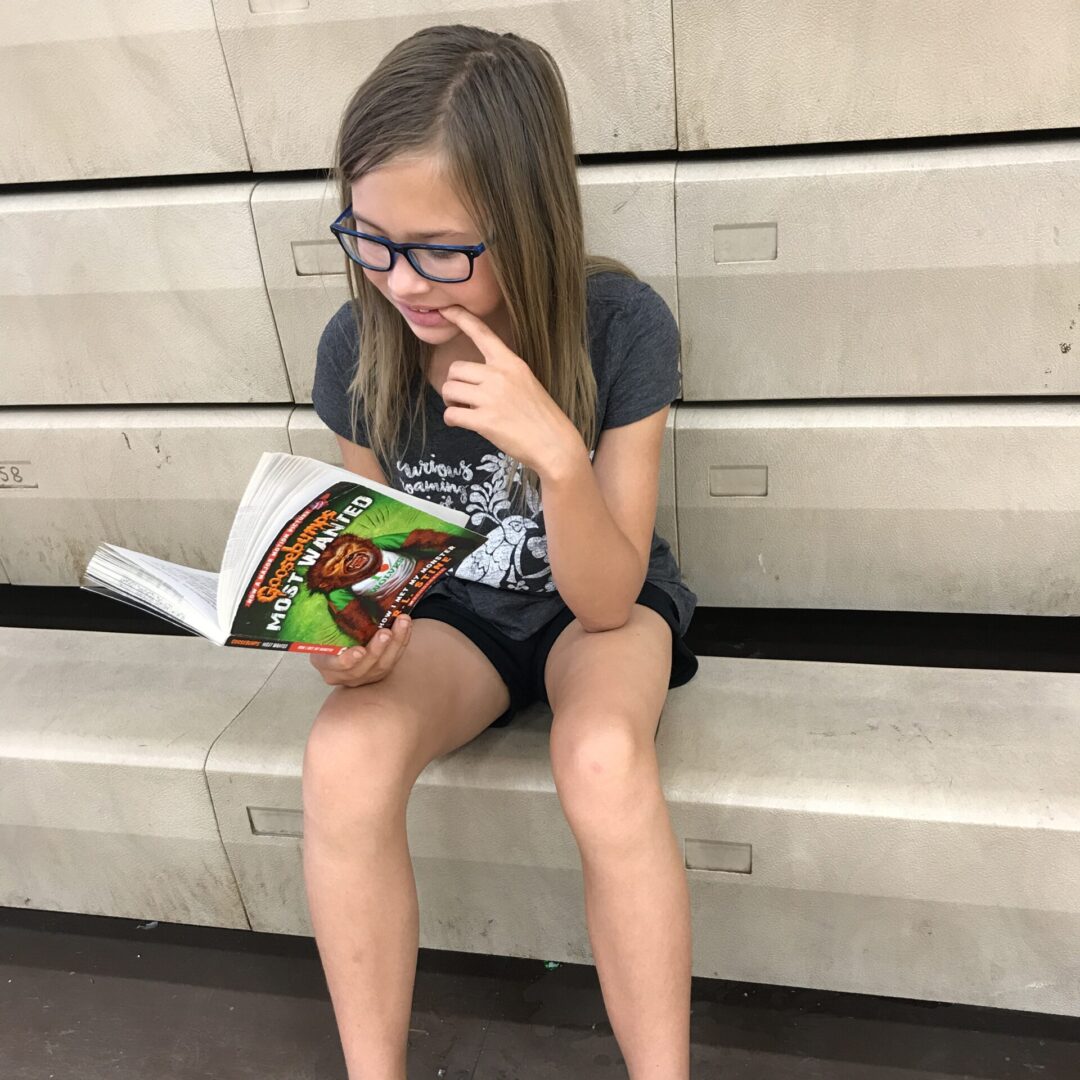
But I didn’t feel like I had a disorder. I wasn’t raised within gender expectations. I was always allowed to behave and dress myself however I wanted, and I developed my own unique, androgynous style of expression (often including graphic wolf tees), so it didn’t feel like much of a revelation that I was genderqueer. It felt wholly natural.
My parents had named me Tanis to be gender-ambiguous, and the only thing they knew about me before I was born was that I had gotten a bit jumbled when my mom suffered a placental abruption (a serious pregnancy complication) at 11 weeks—this will be important later. I started progestin (a kind of hormone replacement) to stop what few periods I had, and eventually testosterone therapy for the first time, the day after my 14th birthday.
Testosterone made me feel balanced within my body. I was finally understanding its language. HRT gave me confidence and the security to reconnect with the femininity I had felt pressured to distance myself from. I started wearing skirts again and regrowing my long hair. It also treated symptoms I didn’t know I was experiencing. My unstable mood, hot flashes, night sweats, fatigue, joint pain, and even my epileptic seizures all evened out thanks to a low dose of 1.62% androgel in a purple bottle.
Testosterone made me feel balanced within my body. I was finally understanding its language.
Another new word: Intersex
It was around this time that I started to read about bodily differences beyond basic, normative sex education. I came across the Intersex Variations Glossary and learned the term “vaginal atresia”, where the vaginal canal is absent, closed, or underdeveloped. I learned about a process called dilation, a way to stretch a small vagina, and I discovered a syndrome called Mayer-Rokitansky-Küster-Hauser (MRKH), where both the vagina and uterus may be underdeveloped or absent.
For the first time, I was reading about experiences similar to mine, and I found out that they fell under the intersex umbrella. This new word gave me an immense sense of comfort and community. I wasn’t alone!
My body was both scrutinized and dismissed
I brought my new language to my endocrinologist, and they tried and failed to perform a pelvic exam. Any contact with my genitals caused me intense, burning pain. I was immediately referred to a pediatric gynecologist who used the words vaginal atresia and labial fusion (the differences in my body) and vestibulodynia (the chronic pain I felt). But when I left that hospital, there were no records that they had ever performed an internal exam.
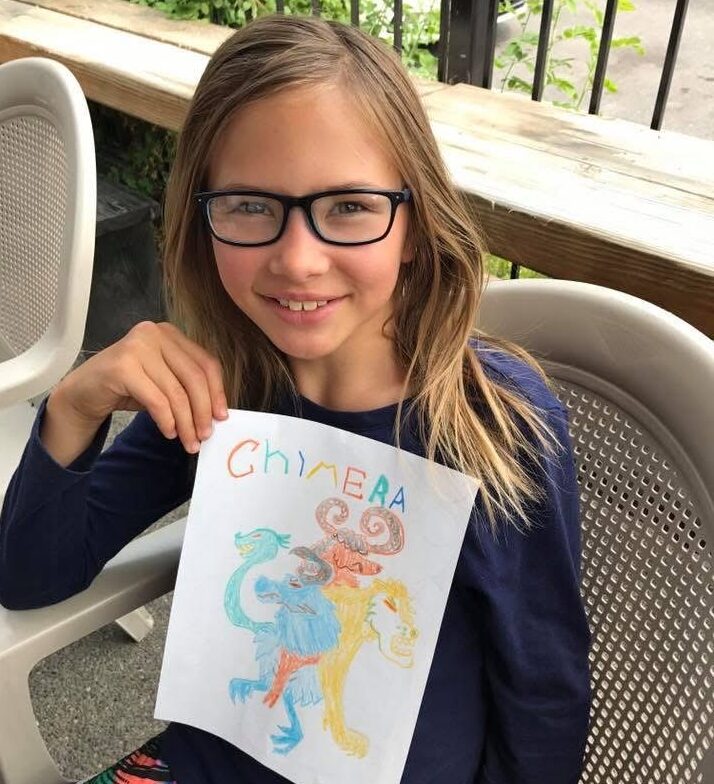
This new word gave me an immense sense of comfort and community. I wasn’t alone!
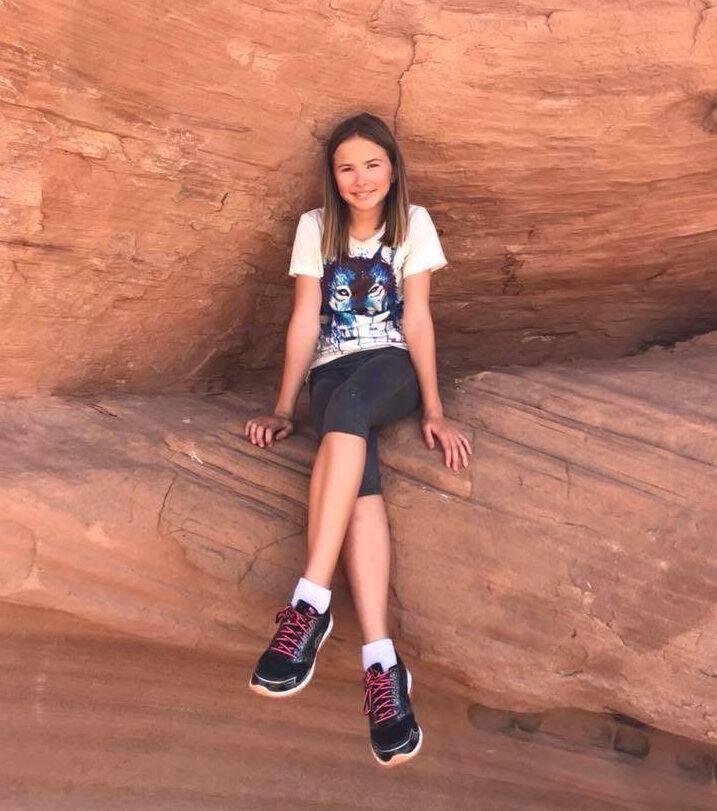
Another gynecologist said I also had a difference with the way my urinary system developed, but they never explained what that meant or mentioned it to me ever again. I learned that there weren’t words that fully described the differences in my body, besides being generally “ambiguous”.
My body was both scrutinized and dismissed by my care team. To the medical world, I was a transgender boy who happened to have a “disorder of sexual development” that wasn’t relevant because of my trans identity. But, once again, I didn’t feel like I had a disorder. I never expected my body to be anything but queer; I just wanted to understand it.
Years later, an emergency CT scan and ultrasound finally offered more answers. My ovaries were found to be about 1/3rd of the expected size with no follicles, meaning I had low fertility. I learned the words Partial Gonadal Dysgenesis (PGD), and suddenly, things began to make sense. My chromosomes and the placental abruption that impacted me before I was born might have played a role in why my body developed in this uniquely queer way. I was told that I might have a mosaic karyotype, with different sex chromosomes in some of my cells. The reason that testosterone treated so many of my previously unexplained symptoms was that my body had been in a state of hormone imbalance.
My experience was never going to be like The Care and Keeping of You at all.
My experience was never going to be like The Care and Keeping of You at all. It was empowering to know that I wasn’t broken and to finally have words that described my body, but it was also frustrating that they were so hard to find. I had to teach myself things about my variation that even my doctors didn’t fully understand.
My HRT was life-saving, more than I knew
Many people with gonadal dysgenesis first find out about their differences when their body isn’t able to finish puberty, or when they don’t go through puberty at all. For me, my ovaries were strong enough to begin an estrogen-dominant puberty, and I was fortunate enough to start on supportive hormone replacement therapy before they “failed”. I never experienced the most severe symptoms of hypogonadism that many people suffer if they do not have access to life-saving HRT. This access as a teen was critical to my physical health in an intersex body — and I worry now about the teens who don’t have that same care.
There’s still so much to learn about intersex, disabled, and transgender bodies like mine, and we can begin by listening to the stories they have already been telling us.
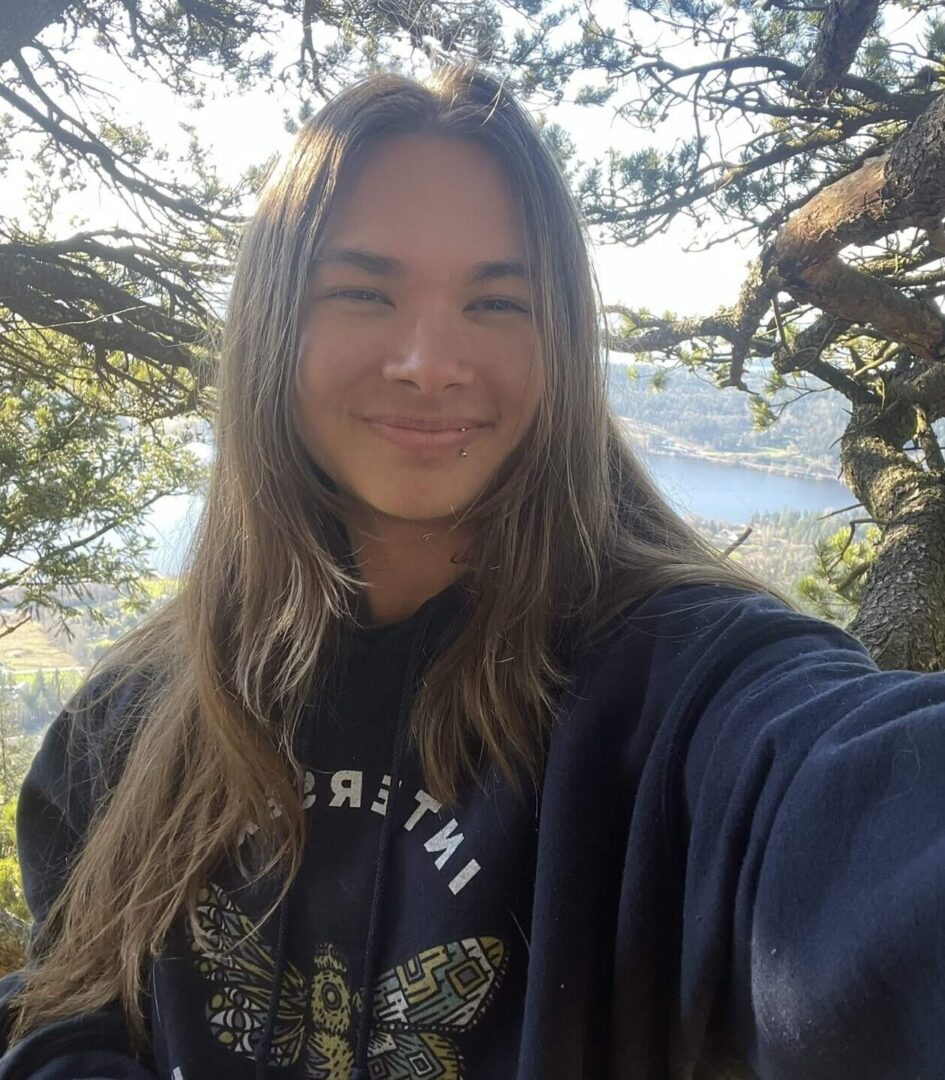
Since I’ve begun learning the multiple languages of my body, my identity has blossomed in beautiful ways. I feel secure in my gender and all of its aspects. My chronic pelvic pain has been almost completely managed by dilation therapy, which in turn has allowed me to explore my sexuality. I still take supportive progestin and testosterone, and I now take estrogen too as part of the dilation process. This has helped me to feel more at home within my body than I ever have before.
My queerness taught me to embrace complexity, and I hope the medical world learns to do the same. Access to HRT at an early age, doctors who took the time to interpret my body and my gender together as something already whole, and advocates who have shared their own stories saved me from a lot of pain. There’s still so much to learn about intersex, disabled, and transgender bodies like mine, and we can begin by listening to the stories they have already been telling us.
Tanis (he/she) is a diversity, equity, and social justice analyst from the PNW with a passion for queer and disability education. He loves learning about the complexities of nature and making art!
Read more about gonadal dysgenesis and mosaicism in our glossary, and more from youth member Irene in “Can You Be Born Intersex Without Knowing? It Happened to Me.”
Want to see more stories like this?
At interACT, we believe intersex youth deserve to be heard and paid for their labor. That’s why we compensate every young person who shares their story. If you believe in resourcing intersex youth leadership and uplifting their voices, please consider making a donation today. Your support helps ensure youth like Tanis can keep telling their stories and shaping the intersex futures.