
interACT staff Maddie interviews Ryanna, a Youth Advocate living with an intersex variation called Kallmann Syndrome. Most people with Kallmann Syndrome have a late puberty or one that goes differently than expected. Kallmann Syndrome is much rarer in people with XX chromosomes, making Ryanna 1 in 250,000! She has a beautiful life as an artist, cat mom and partner to a sweet girlfriend—even if that life has been a little different. Learn more about Ryanna in her blog.
I was 13 when I first noticed I was different
Maddie: Thanks for joining us, Ryanna! Can you introduce yourself?
Ryanna: Hi! My name is Ryanna, I’m 22 years old, I’m a crocheter, a cross stitcher, and an artist, along with being the mother to one very adorable cat. And my intersex variation is Hypogonadotropic hypogonadism, or more commonly referred to as Kallmann’s syndrome.
Maddie: How did you learn that you have Kallmann Syndrome, and how old were you?
Ryanna: I was about 13 when I first started suspecting things. I wasn’t getting my period like most of the other girls in my class, I wasn’t as interested in boys or the more adult interests that the other kids in my classes liked. They were moving on to hair and make-up and talking more about what boys they liked, and I was still back here on Pokémon and video games.
It was around when I was sixteen that everyone really started to start getting concerned about why I wasn’t ‘maturing’, i.e., why I was having very painful period cramps and not bleeding at all. I had an ultrasound to mainly check if I still had a uterus, which I do, and then a blood test, and another blood test. This was also right around COVID, so that did put a wrench in a lot of things, but I had about 4 different blood tests before someone was finally able to look at the results. And my estrogen levels were post menopausal at 17.
They thought I might have had a tumor pressing on my pituitary gland, so I had an MRI done. They found two very key things. One, I didn’t have olfactory bulbs, the part of your brain that processes smell, and two, I was missing more than half of my pituitary gland. So I was finally at 18, diagnosed with Kallmann’s syndrome.
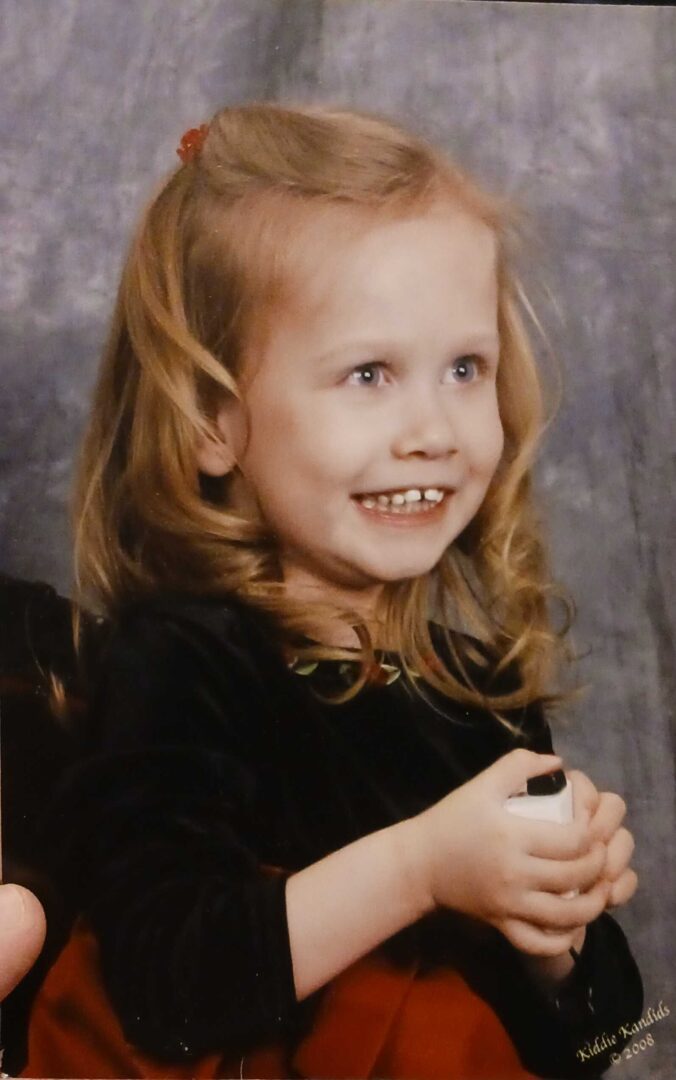
Ryanna at age 5
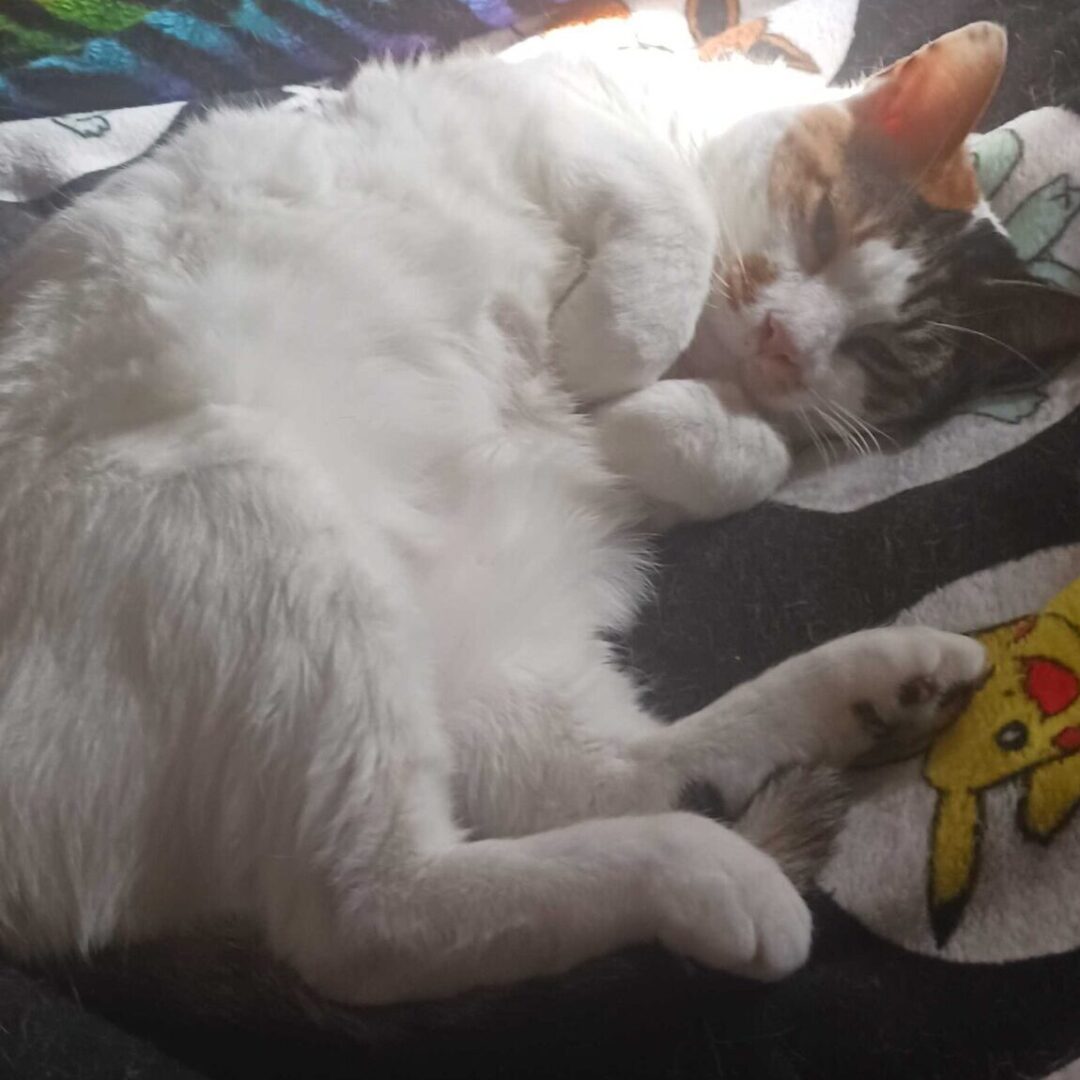
Ryanna’s cat, Pretty Girl
Gender isn’t a major concept—until you start hitting puberty
Maddie: When you were growing up, what was it like to find out that your body was different?
Ryanna: For the longest time, it wasn’t a massive deal. When you’re a little kid, gender isn’t really a major concept until you start hitting puberty and seeing the opposite sex as more than “ew, you have cooties,” and I never reached that point for the longest time. I knew boys and girls were different, mechanically. But I didn’t get why everyone was so weird around the other.
Maddie: What does ‘intersex’ mean to you?
Ryanna: Intersex to me means I am between the two ends of the spectrum. While I am now on medication to push me to one side, I am not defined by it. I used to always say before I was diagnosed that my gender wasn’t male, and it wasn’t female, it was just Ryanna. Me as myself. And I think that’s a beautiful way to take it.
I have a lovely girlfriend who accomodates my differences
Maddie: What is your gender? Do you feel any differently about your gender because of your intersex variation?
Ryanna: My gender had been null and void for the longest time. I just didn’t feel any different. I hated that I had to go on HRT at first. But for my bone density, I had to, and I’ve slowly come to terms with it. For so long, I felt so alienated from my birth gender. I never felt ‘like a girl’, whatever that’s supposed to mean. I just felt like me, but now I feel like me with new attractions. My gender is Myself, and however I choose to express it is up to me.
Maddie: Does having Kallmann Syndrome affect your friendships or relationships at all?
Ryanna: It most certainly has. Along with not maturing with the rest of my peers at the same rate, I had been kicked out of friend groups because I had a harder time reading the room than others at the start of my being on estrogen. I didn’t know how much or when I needed deodorant. On the romance side of things, I do have a very lovely girlfriend that I love with all my heart, and she is very accommodating with my limitations. Because I can’t and won’t go through traditional puberty, I am physically stunted in a lot of ways, and that can definitely make a lot of things… frustrating to say the least. But she is incredibly patient and loving towards me and understands a lot of my limitations.
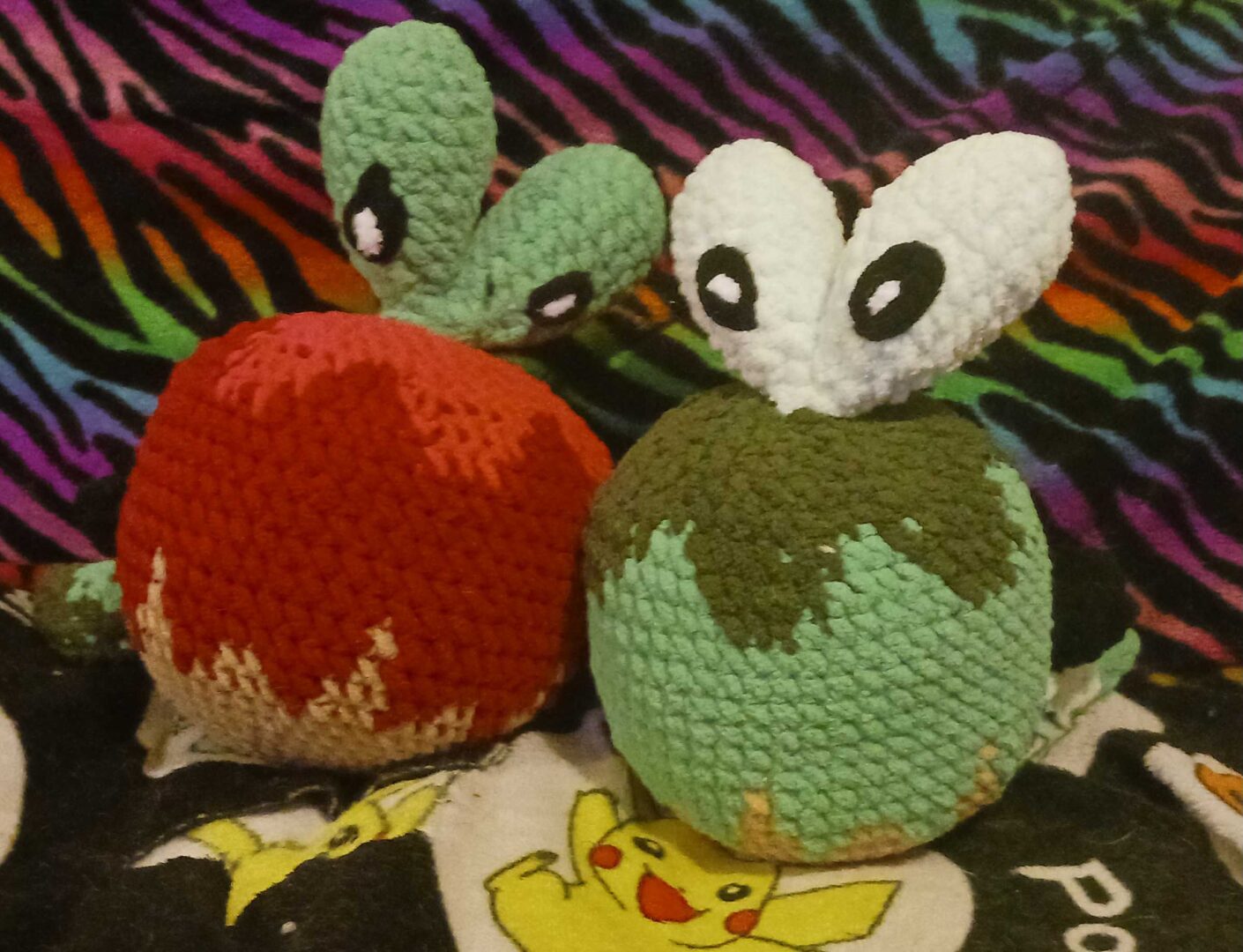
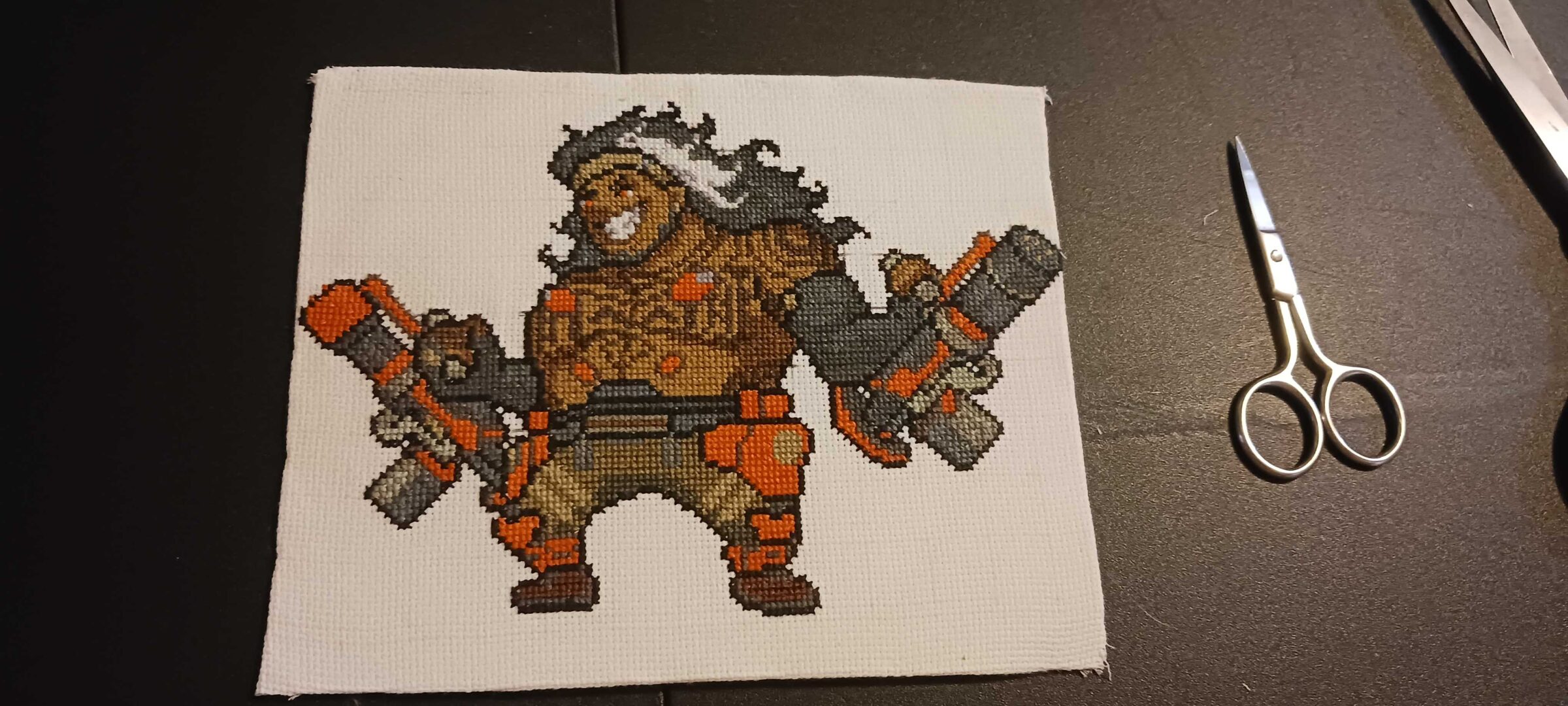
Ryanna crochets and embroiders
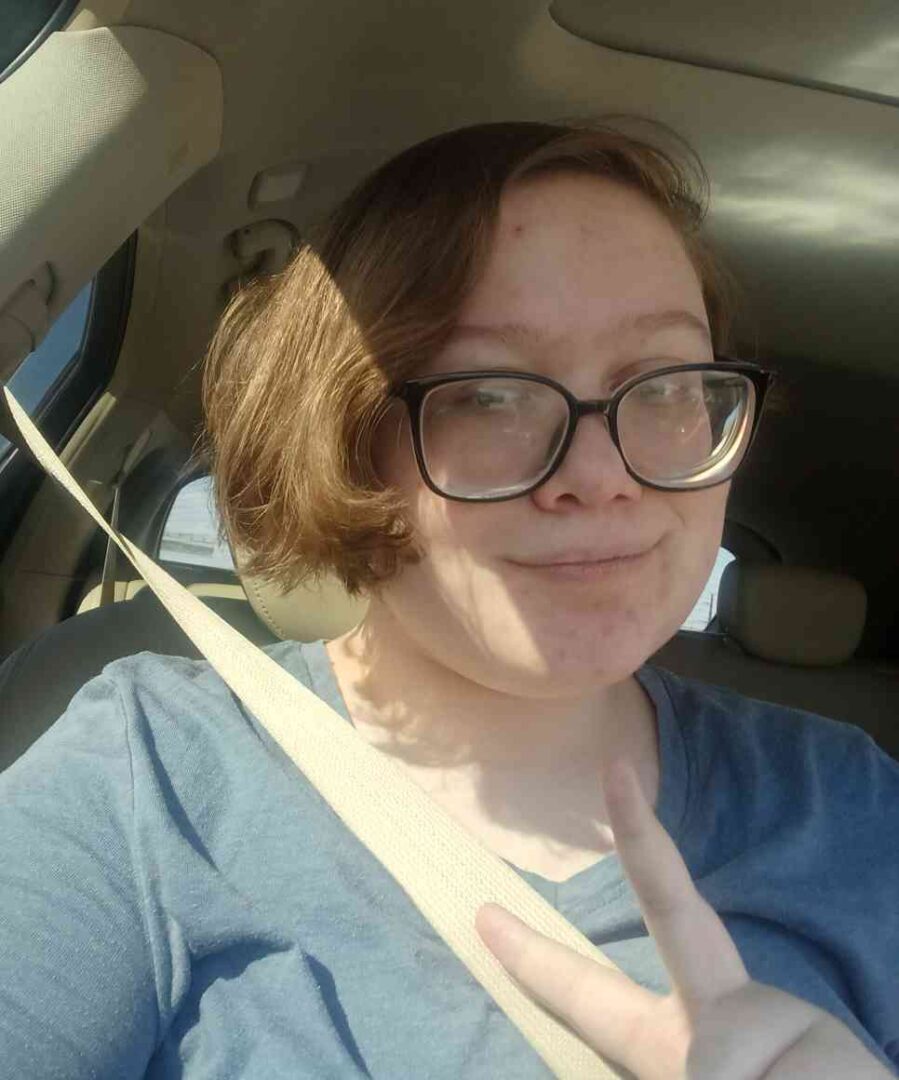
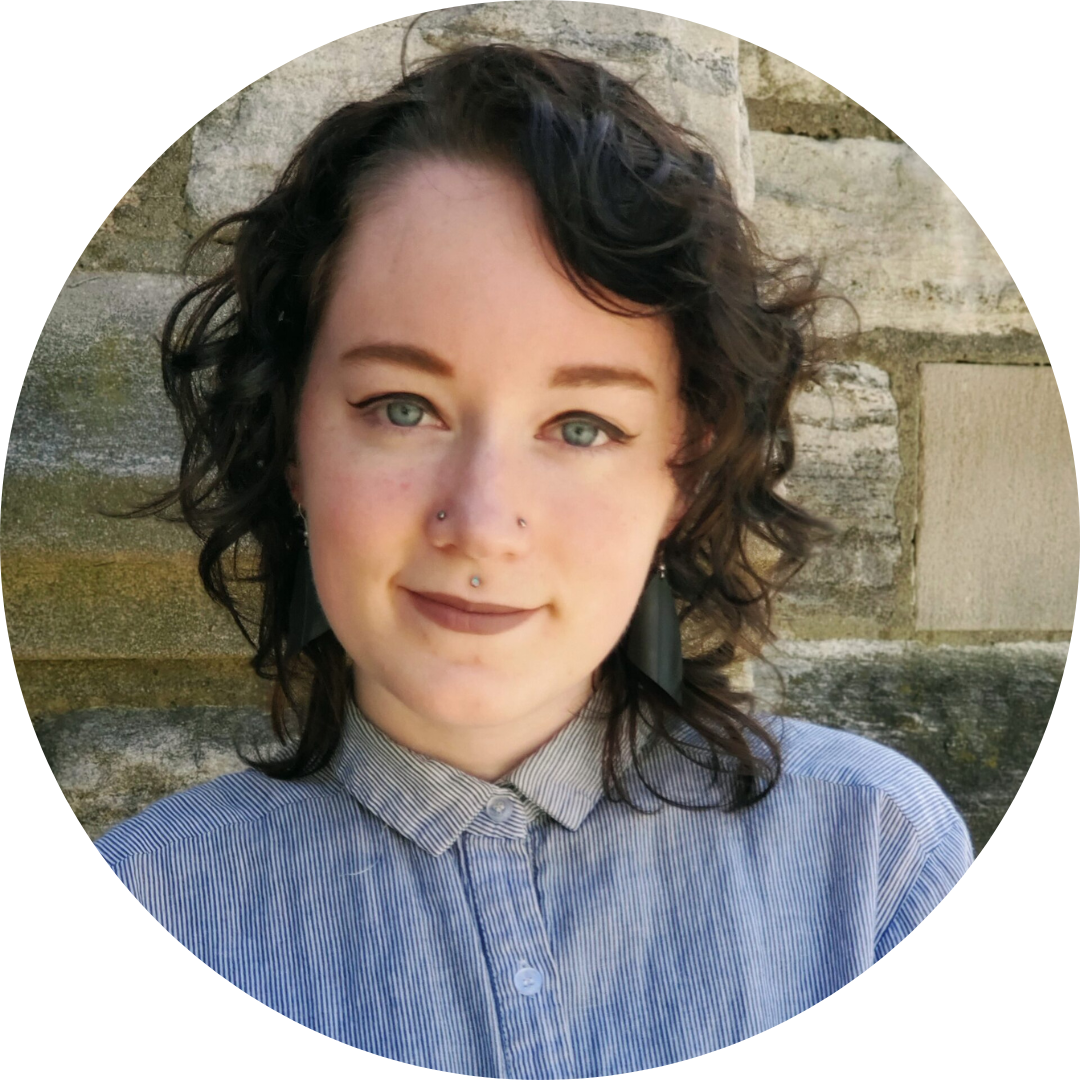
Ryanna at 22
Without smell, I genuinely thought air fresheners were a gimmick
Maddie: What do you think people would be most surprised to learn about Kallmann Syndrome?
Ryanna: Mainly that food tastes different! 95% percent of what people think of as taste is actually smell, and without that part of it I can only taste the 5 main flavors. Sweet, Salty, Sour, Bitter, and Umami. So, because of that, I tend to like more sour and sweet things. I genuinely thought that those scented air freshener things people plug into their walls were a marketing gimmick.
Maddie: Are there any parts of your health you need extra care for because of Kallmann Syndrome?
Ryanna: Yes. I have significantly weaker bones than a normal person my age, because if you don’t have estrogen in your system, your body will start stripping your bones for it and calcium, so I need to stay on top of taking my estrogen and progesterone. Along with hygiene, I don’t always know when I need to put on deodorant or shower, or those kinds of things. Luckily, my family has been very accommodating of that.
Kallmann Syndrome doesn’t leave you stagnant
Maddie: What do you want other people with Kallmann Syndrome to know?
Ryanna: That we may be ‘stunted’ in a lot of ways. But we aren’t stagnant. We are always growing, learning, and changing, and that’s not something anyone can take away from us. And your older self will be thankful for your forever baby face.
Want to see more stories like this?
interACT believes every intersex person deserves justice, and that only through ending interphobic legislation and intersex medical harm can we find justice under the law. Our work includes assisting the efforts of intersex activists like Ryanna, as well as engaging directly with policy makers. You can help create a different future for intersex youth by giving here.