

Intersex Justice is LGBTQIA+ Justice

How intersex people are also harmed by the anti-trans, anti-LGBTQ backlash.

State laws across the country, and now even federal policies, increasingly target transgender people and LGBTQ people more broadly.  Lifesaving, necessary gender-affirming care is being restricted or even criminalized. Discriminatory policies and legislation, such as proper identity document bans, restrictions on participation in sports, and “sex definition” laws that police public restrooms, are attacking people in their day-to-day lives.

What many don’t realize is that every one of these laws and policies affects intersex people, too.

Intersex people are born with a variation in their sex traits that may not fit typical expectations of male or female bodies. There are many possible differences in reproductive anatomy, hormones, or chromosomes, and over 40 intersex variations.

Intersex people are born with these differences, though they may not be discovered until puberty or even adulthood. Intersex isn’t a “third sex,” but a range of variations. Babies who have visible intersex traits are still usually assigned male or female. A person’s intersex status is different than their gender identity. Intersex people may grow up to identify as men, women, nonbinary, or another way, or neither.

Intersex also isn’t rare—2% of the population is born intersex. Someone you know is likely intersex, maybe even someone you love.

But intersex people are under attack—and being erased.

Some intersex infants and children are nonconsensually operated on to make their bodies look more “typically” male or female. This is harmful and medically unnecessary, and violates consent. Intersex surgeries are NOT gender-affirming care. Gender-affirming care is provided with a person’s informed consent to meet their medical needs. Some intersex people also need gender-affirming care to feel most comfortable in their bodies, which is increasingly restricted despite being consensual, affirming care.

What’s more — every state law banning gender-affirming care explicitly allows nonconsensual “normalizing” surgeries on intersex infants.

Intersex, transgender, and all LGBTQIA+ people must challenge these attacks together. We all have lives beyond the rigid, binary boxes the Trump administration wants to shove us in.

How are intersex people harmed by discriminatory policy & legislation?
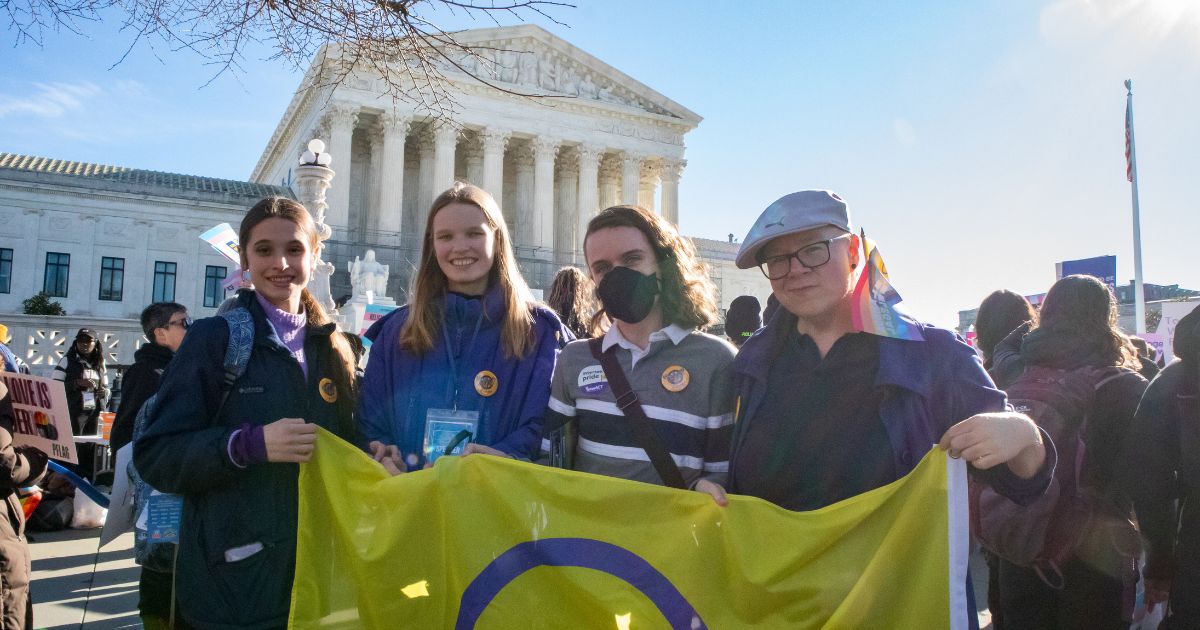
Intersex and transgender people need accurate and consistent IDs to open bank accounts, start new jobs, enroll in school, and travel-but many are unable to access accurate identity documents and passports.

Some intersex people (including those who are also transgender) need a gender marker that is different than their assigned sex at birth, which some states (and now the federal government) will not allow. For those who need X markers, they are no longer an option on passports under the Trump administration.

An executive order from Trump attempted to redefine sex with narrow and unscientific definitions of male and female. Some intersex people do not fit neatly within these new definitions.

Throughout the history of sports, many women suspected to be intersex have been subjected to invasive “sex testing.” Women in sports who are perceived as not being “woman enough” have been forced to alter their bodies to be allowed to play.

This playbook is now being used to target transgender girls and women.

This attack on transgender girls in sports is an attack on all girls and women in athletics. Strict “sex”-based sports policies will encourage harassment, scrutiny of women’s and girls’ bodies, and invasive exams such as DNA tests that violate students’ privacy and dignity.

Intersex people are also harmed when legislators try to police bathrooms.

Many laws prohibiting transgender people from using the bathroom aligned with their gender define “sex” with reference to chromosomes and/or reproductive anatomy.

Intersex people who do not fit into these strict categories might be forced to use a bathroom that does not align with their gender, or could be banned from multi-user restrooms altogether.

Attempts to ban gender-affirming care block some intersex youth from accessing healthcare, especially if it is perceived as gender-affirming.

State bans on gender-affirming care include explicit “exceptions” that shield surgeons who operate on intersex youth. “Intersex exceptions” do not protect consensual care, but instead enshrine in law the practice of nonconsensual surgery known as intersex genital mutilation.

The same laws that prevent trans adolescents and adults from accessing necessary, consensual healthcare endorse harmful, nonconsensual surgeries on intersex infants.

Many of the same hospitals that are now denying gender-affirming care are still openly practicing these nonconsensual surgeries on intersex infants.

When advocating for healthcare like gender-affirming care, be careful of appeals to what doctors or other medical authorities say is best. While most doctors want what is best for their patients, some do serious harm to intersex people. It is a mistake to say that no medical practices require regulation.

Instead, we can advocate by asserting that everyone has the human right to bodily autonomy.

How do we include intersex rights?

When LGBTQIA+ rights are under attack, intersex people cannot be forgotten. Everyone deserves the right to make informed decisions about their own bodies.

Inspired to support intersex rights?

Your donation supports interACT’s work to empower intersex youth and advance intersex rights. Give today to keep this work moving forward.